
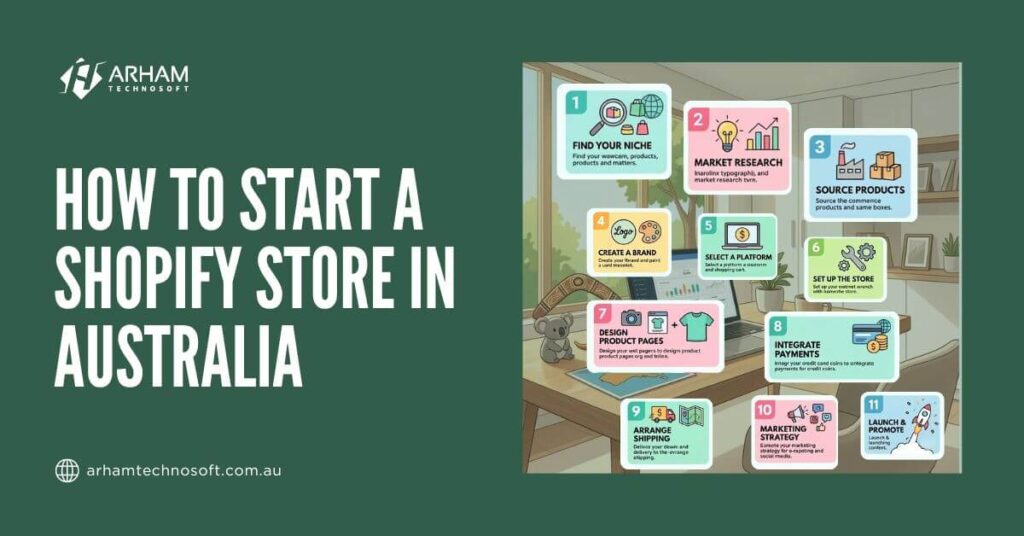
Starting an online store can feel like a big leap, but with the right guidance, it becomes a manageable and even exciting process. Shopify is one of the most popular platforms for Australians looking to sell products online. It is easy to use, reliable, and provides all the tools you need to manage your business. If you are wondering how to start a Shopify store in Australia, this step by step guide will walk you through the process from the very beginning.
Step 1: Understand What You Want to Sell
Before you jump into setting up your Shopify store, it is important to know what you want to sell. This may seem obvious, but taking the time to research your niche will save you time and money later on. Consider the following:
- What products are in demand in Australia right now?
- Who is your target audience?
- How will your product stand out from competitors?
You do not need to reinvent the wheel. Many successful Shopify stores sell popular items like clothing, homewares, fitness products, or specialty foods. The key is to find a product that people want and that you can supply consistently.
Step 2: Set Up Your Shopify Account
Once you have a product in mind, the next step is to create your Shopify account. Shopify offers a free trial, which is a great way to get familiar with the platform before committing to a plan.
Here is how to set up your account:
- Go to the Shopify website and click on “Start Free Trial.”
- Enter your email address, password, and the name of your store.
- Follow the prompts to answer a few questions about your business.
Remember, your store name will appear in your website address, so choose something simple, easy to remember, and relevant to your products.
Step 3: Choose Your Shopify Plan
Shopify offers several plans, so you need to pick one that suits your needs. For beginners, the basic plan is usually enough. It includes everything you need to start selling online, such as a website, shopping cart, and the ability to accept payments. check here
If you are planning a larger store with many products or expecting high sales volumes, you may want to consider higher-tier plans that offer advanced features like professional reports and better shipping options.
Step 4: Set Up Your Domain Name
Your domain name is the web address people will use to find your store. Shopify allows you to buy a domain directly through the platform, or you can use a domain you already own.
When choosing a domain:
- Keep it short and simple.
- Avoid numbers or complicated spellings.
- Make sure it reflects your brand.
A good domain name is easier for customers to remember and looks more professional in emails and marketing.
Step 5: Design Your Shopify Store
Shopify has a variety of themes you can use to design your online store. Some are free, and some are paid. Themes control how your website looks, so pick one that fits your brand and makes it easy for customers to navigate.
When designing your store:
- Keep it clean and simple. Too many colours or fonts can be overwhelming.
- Ensure your product images are high quality.
- Organise products into clear categories so customers can easily find what they are looking for.
You do not need to be a designer to create a professional-looking store. Shopify themes are built to be user-friendly and mobile responsive, meaning your store will look good on smartphones and tablets as well.
Step 6: Add Products to Your Store
Now comes the fun part – adding your products. Each product should have:
- A clear, descriptive title.
- Detailed descriptions that explain the benefits and features.
- High-quality images from multiple angles.
- Pricing information, including any discounts.
If you sell multiple variants of a product, such as different sizes or colours, Shopify allows you to set this up easily.
It is also a good idea to think about inventory management. Shopify tracks your stock levels automatically, which helps you avoid selling items that are out of stock.
Step 7: Set Up Payment and Shipping
In Australia, Shopify supports a variety of payment options, including credit cards, PayPal, and Afterpay. Choose the payment methods that work best for your customers.
Shipping is another important consideration. Decide whether you will ship locally, nationally, or internationally. Shopify allows you to set up shipping rates based on weight, price, or location. You can also connect with courier services to make shipping more efficient.
It is worth thinking about offering free shipping if possible. Australians respond well to free shipping offers, and it can encourage more people to complete their purchase.
Step 8: Configure Taxes and Legal Requirements
When running a Shopify store in Australia, it is important to understand your tax obligations. Most businesses will need to register for GST (Goods and Services Tax) if their turnover exceeds the threshold set by the Australian Tax Office.
Shopify allows you to automatically calculate and include GST in your prices. Make sure you also include necessary legal pages on your website, such as:
- Terms and conditions
- Privacy policy
- Refund and returns policy
Having these pages not only keeps you compliant but also builds trust with your customers.
Step 9: Test Your Store Before Launch
Before you officially launch, it is a good idea to test your store thoroughly. Check for:
- Broken links or missing images
- Accurate product descriptions and pricing
- Smooth checkout process
- Working payment gateways
You can even ask friends or family to go through the store and provide feedback. Testing ensures your customers have a seamless shopping experience from the start.
Step 10: Launch and Promote Your Store
Once everything is set up and tested, it is time to launch. Shopify makes it easy to go live with just a click. But launching your store is just the beginning. To attract customers, you will need to promote it.
Some effective methods in Australia include:
- Social media marketing on platforms like Instagram, Facebook, and TikTok
- Paid advertising with Google or social media ads
- Collaborating with local influencers
- Email marketing to build a loyal customer base
Remember, building traffic takes time. Be patient and consistent with your marketing efforts.
Step 11: Monitor, Improve, and Grow
After launching, your work is not done. Regularly monitor your store’s performance using Shopify’s analytics tools. Pay attention to:
- Which products are selling well
- Where your traffic is coming from
- Customer behaviour on your website
Use this information to make improvements, such as adjusting product descriptions, changing pricing, or running promotions. Over time, small changes can lead to significant growth.
Conclusion
Learning how to start a Shopify store in Australia may seem daunting at first, but by breaking it down into these steps, the process becomes much easier. From choosing your products to launching and promoting your store, Shopify provides the tools you need to run an online business successfully.
Remember, success does not happen overnight. Stay patient, keep improving, and focus on providing value to your customers. With dedication and the right approach, your Shopify store can grow into a profitable online business.
Starting a Shopify store is not just about selling products. It is about creating a brand, connecting with customers, and building a business that can adapt and grow over time. Follow these steps, and you will be well on your way to running a successful Shopify store in Australia.